
Why Scaleups Are Suddenly Hiring Senior "Generalists" Instead of Specialists
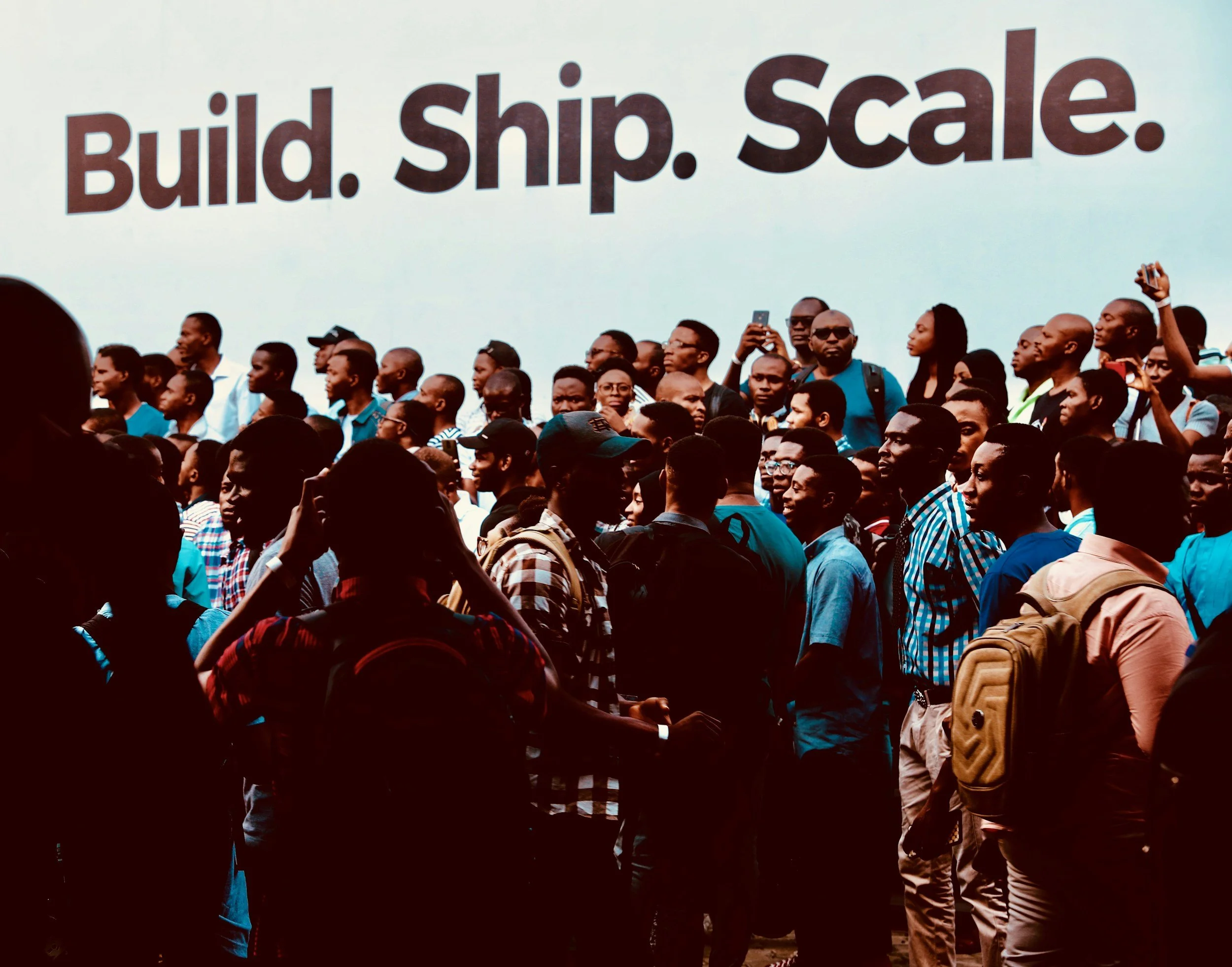
Over the past 12 months, we've seen a noticeable shift in how a significant number of our scaleup clients hire. Teams that once insisted on deep specialists are now leaning heavily toward people who can operate across functions, not just inside one.
This is how the data reflects this shift:
A 2025 European labour trends report from Morgan McKinley found that 61% of high-growth companies now prioritise “multi-discipline leadership profiles” when hiring for senior roles.
Tech.eu reported that European tech hiring dropped by roughly 40% in 2024, forcing scaleups to rethink how they structure teams and allocate headcount.
Deloitte’s Human Capital Outlook noted that AI is reducing the need for narrow technical execution, increasing demand for leaders who can integrate work across product, commercial, and operations.
So what does a “generalist” actually look like in practice?
Think of someone who has led product, owned a commercial workstream, and built an operations process . Maybe not perfectly, but well enough to get a company from 20 to 200 people. They’re the person who can run a customer workshop in the morning, fix a broken internal process after lunch, and help the CEO prepare for a board meeting in the afternoon. They’re not “jack of all trades, master of none.” They’re T-shaped: depth in one area, range across many.
Why are these profiles suddenly so valuable?
Scaleups need people who can handle ambiguity.
Priorities shift fast. Generalists don’t freeze when the roadmap changes — they adapt and keep the team moving.They reduce hiring risk.
When budgets are tight, hiring someone who can cover product, strategy, and a slice of operations is simply more efficient than hiring three specialists.They accelerate execution.
Generalists connect dots. They see how decisions in product affect sales, or how a commercial strategy impacts engineering. That cross-functional awareness speeds everything up.They’re better suited to AI-enabled teams.
As AI takes over repetitive specialist tasks, companies need leaders who can interpret, integrate, and make decisions across multiple domains.They support sustainable scaling.
With European VC funding cooling and salary inflation slowing, scaleups are shifting from “grow at all costs” to “grow with discipline.” Generalists fit that mindset.
What this means for hiring:
If you’re building a leadership team in 2026, you’ll likely see more demand for operators who can flex between strategy and execution, leaders who can build from zero, not just optimise and people who can work across product, commercial, and operations without needing a rigid job description.
Specialists obviously still matter. But in this market, generalists are becoming the stabilisers that help scaleups move faster with fewer resources.
At Caerus Strategy, we help organisations define what they actually need before they hire. That means aligning role design with business goals, identifying where generalist profiles create leverage, and ensuring hiring decisions support sustainable scaling rather than short term fixes.
If you’re seeing this shift in your own hiring, we're always interested in comparing notes.